
Your Website and Google Business Profile Should Work Together
A customer may discover your Google Business Profile first and visit your website seconds later. If those two places disagree about services, hours or how to book, the business becomes harder to trust at exactly the wrong moment.
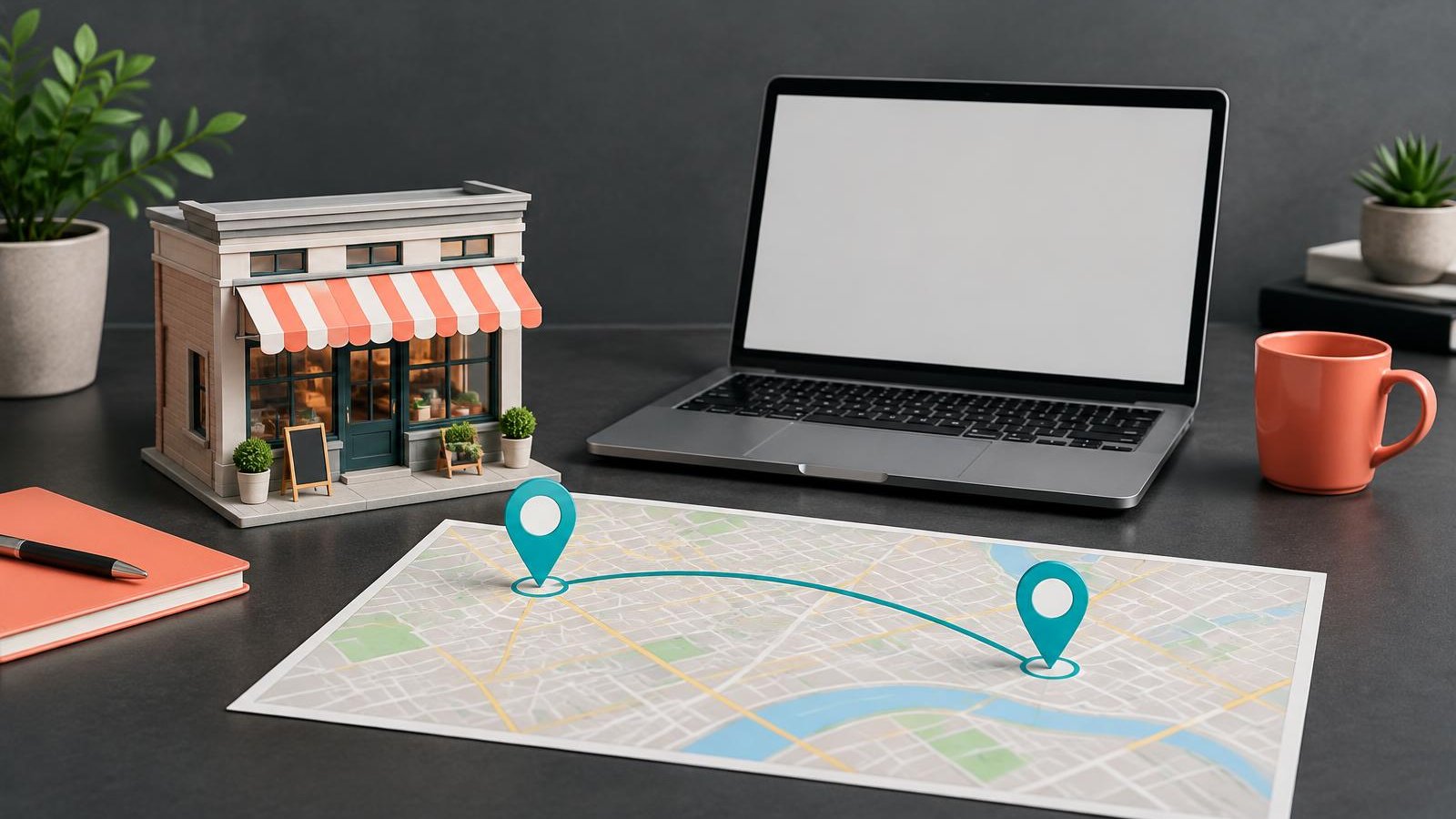
A customer may discover your Google Business Profile first and visit your website seconds later. If those two places disagree about services, hours or how to book, the business becomes harder to trust at exactly the wrong moment.
Google Business Profile optimization and website SEO should therefore share the same factual foundation. This guide focuses on the handoff between profile discovery and website action, rather than trying to cover every possible Google Maps SEO tactic. The goal is a clear, accurate customer journey.
Treat the profile and website as complementary destinations
Your profile helps someone make an initial local decision: what kind of business you are, where you operate and whether contact is convenient. Your website can explain service scope, options, preparation and the process in much greater detail. They should complement each other rather than repeat identical marketing paragraphs.
Google explains that business information can come from several sources, including an official website and user contributions. That is a reason to keep your own information reliable, not a reason to assume every page edit will instantly change a profile or improve a ranking.
Walk through the journey from search to contact. Does the profile describe the same business as the linked page? Can visitors see the service they searched for? Can they continue without hunting for another contact route? Those practical checks reveal mismatches that a profile-completion score may miss.
Create a shared record of essential information
Agree on the business name, location or coverage, phone, opening hours and important service details. Assign responsibility for updating them when operations change. Website editors and profile managers should not work from different spreadsheets or make conflicting assumptions about availability.
Substantive consistency matters most. An old telephone number, a moved entrance or an appointment policy that changed last month can derail enquiries. Minor punctuation differences deserve less attention than facts that affect a visit. Check holiday hours and closures before customers discover the mismatch themselves.
For service-area businesses without a customer-facing location, keep the public profile address hidden as required by Google’s guidance. Your local business website can explain coverage clearly without implying a walk-in office exists. Do not reveal a private address simply to create identical public fields.
Send profile visitors to the most relevant website page
A single-location business with a useful homepage may reasonably link there. A business with several eligible locations often needs the relevant location page, where visitors can find that site’s services, opening arrangements and contact details. Do not send every location to a generic page that forces people to start over.
The destination must remain accessible, secure and usable on mobile. Test the actual link shown on your profile, not only the address saved in your content editor. Check for unnecessary redirects, outdated campaign pages or a booking page that has disappeared since the profile was last reviewed.
When appropriate, use consistent campaign parameters to distinguish profile website visits in analytics. Make sure they do not break the page or create a different experience. Treat measured visits as one indicator; they do not by themselves demonstrate a booking or prove the profile caused a sale.
Connect profile services to clear website explanations
The profile’s services should reflect work you actually provide. On the website, explain important services with enough detail for a customer to decide whether to enquire. Include scope, exclusions, preparation, timing considerations and the next step where those details are relevant and known.
For example, if the profile lists inspections and installations, the website should distinguish what happens in each appointment. A visitor should not have to infer that a general “solutions” page includes the service they need. These are illustrative journeys, not claims about any particular CSSHouse client.
Use internal links to connect overview pages with useful service detail. Avoid creating near-identical location pages just to repeat keywords. A smaller set of accurate, helpful destinations supports customers better than a large collection of pages that imply coverage or offices you cannot substantiate.
Make the website journey as clear as the profile that brings visitors to it.
Explore website designAlign credibility signals without inventing proof
Use genuine photos that show the actual place, team or work when you have permission. The profile might give a quick visual introduction, while the website can explain the context. Keep customer identities, private addresses and sensitive information out of images unless you have an appropriate basis to display them.
Reviews can help people assess a business, but the website must not invent testimonials or reshape a comment into a stronger claim. If you display reviews, preserve their meaning and relevant attribution and respect the source platform’s terms. Do not assume self-published review markup guarantees star results.
Licences, qualifications and guarantees should be current and specific. Explain what they mean and avoid badges that imply recognition you do not have. Google Maps SEO is not a justification for overstating credentials; consistency between promises and actual service matters for the enquiry and the eventual customer experience.
Make booking and contact dependable on mobile
Try the journey on a phone using the same link a customer sees. Check that buttons are readable, phone links work and any booking system is usable without excessive steps. Explain whether a request confirms an appointment or starts a conversation, particularly when availability must be checked by a person.
When phone, appointment or other action links are available on your profile, keep their destinations aligned with website instructions. A customer should not encounter different prices or cancellation conditions simply because they entered from a different channel. Publish only real policies and explain any legitimate differences.
Website speed, accessible controls and a clear page structure help visitors complete their task. Technical improvements support the journey but do not guarantee higher local rankings. CSSHouse’s WordPress development service can help maintain these foundations where WordPress is the right platform.
Maintain the connection as the business changes
Schedule checks around real events: new services, relocations, holiday hours and changes to your booking provider. Keep a brief change log so the website and profile can be updated together. After an update, inspect what visitors can actually see, including the public profile and mobile destination.
Use Search Console, profile performance data and enquiry feedback to spot gaps. If people repeatedly ask whether you serve a certain area, improve the coverage explanation. If the same booking problem appears in feedback, fix the handoff. Local search visibility is useful when the information leads to a confident, appropriate next step.
Key takeaways
- Choose the destination that best represents that business location and helps visitors continue. A single-location homepage may work; a multi-location business often benefits from an accurate page for each eligible location.
- Not necessarily. Google uses several information sources, but you should manage and verify profile details directly. Do not assume an edit to your website immediately changes public profile information.
- No. Create separate pages where the services or customer tasks are meaningfully distinct. Avoid thin pages that only repeat a keyword or substitute a town name without adding useful information.
Frequently asked questions
Choose the destination that best represents that business location and helps visitors continue. A single-location homepage may work; a multi-location business often benefits from an accurate page for each eligible location.
Conclusion
Your profile and website should feel like two parts of the same business. Agree on the facts, connect discovery to useful explanations and test the contact journey whenever something changes.
Start with the profile website link and follow it on mobile. Check whether services, coverage and appointment instructions remain consistent all the way to the next step.
Want this done for you?
Book a free strategy call and we will review your site, your search visibility and your ad accounts, then tell you the three highest-impact things to fix first.
About the author
Gurpreet leads strategy and delivery at CSSHouse Consulting, where he has spent the last decade building websites and search programs for service businesses, SaaS teams and ecommerce brands across India, the UK and North America.
Work with our teamRelated articles
Local SEO vs Traditional SEO: What's the Difference?
Local SEO vs Traditional SEO is not a choice between two incompatible systems. Both help people discover useful pages through search. The difference is the geographic context of the customer’s need and the places where your business can appear.
Are Your Business Details Consistent Across the Web?
Business listing consistency means customers encounter accurate information wherever they discover you. If your website gives one phone number and a directory gives an old one, a potential enquiry can disappear before you know it existed.

Seasonal Services Need a Local Search Strategy Too
Local SEO for seasonal businesses should begin before enquiries reach their busiest point. Customers need accurate availability and helpful explanations when they start planning, not only when your team is already stretched.